
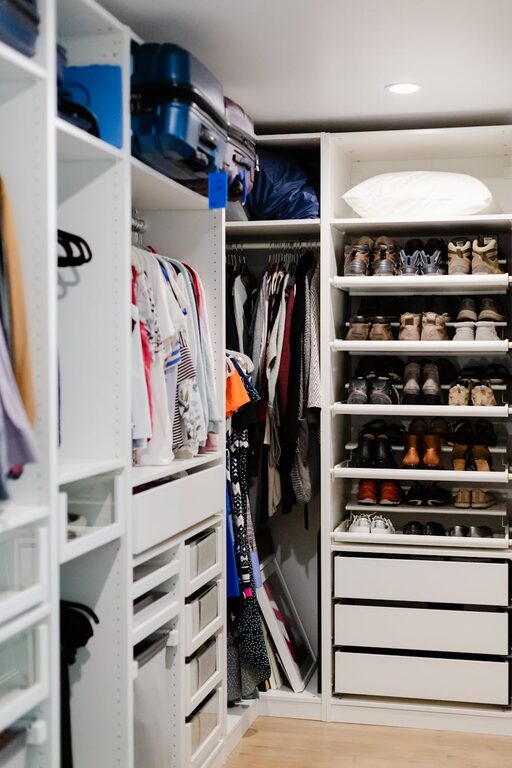
Storing seasonal clothes efficiently can save you space, keep your wardrobe organized, and protect your garments from damage. Whether you’re putting away winter coats or summer dresses, the right methods help extend the life of your clothes and make changing seasons easier. This guide will share practical tips and easy strategies to store your seasonal apparel effectively.
Why Efficient Seasonal Clothes Storage Matters
Clothing takes up a lot of room, especially when you have separate wardrobes for summer and winter. Inefficient storage can lead to clutter, clothes getting wrinkled or damaged, and frustration when you dig through piles to find what you need.
Efficient storage creates a neat, accessible system that:
– Protects clothes from dust, moisture, pests, and sunlight
– Saves closet space for current-season clothing
– Makes it easy to rotate wardrobes between seasons
– Helps you identify items to donate or discard
Preparing Clothes for Storage
Before storing seasonal clothes, preparing them properly is key to preserving their quality.
1. Clean Everything Thoroughly
Make sure all garments are clean. Oils, dirt, and stains can become permanent if stored and attract pests like moths. Follow care labels for washing instructions or consider professional cleaning for delicate or bulky items like coats.
– Wash or dry clean clothes according to fabric type
– Dry completely to prevent mold and mildew
– Repair any minor damage such as loose buttons or small tears
2. Sort and Declutter
Sort items by type and season. Use this as an opportunity to declutter:
– Donate or recycle clothes you haven’t worn in the past year
– Keep only what fits and suits your style
– Consider storing sentimental or special occasion clothes separately
Choosing the Right Storage Solutions
Selecting proper storage containers and locations helps maintain your clothes in good condition.
1. Use Breathable Storage Options
Avoid airtight plastic bags for long-term storage as they can trap moisture and lead to mildew. Instead, opt for:
– Cotton storage bags or pillowcases
– Fabric bins or canvas storage boxes
– Breathable garment bags for hanging items
2. Clear Plastic Containers with Lids
If you prefer plastic bins for stacking and protection against pests, choose high-quality containers with tight-fitting lids and add silica gel packets to absorb moisture. Make sure containers are clean and dry before use.
3. Vacuum-Sealed Bags (With Caution)
Vacuum bags reduce space significantly by compressing clothes but are best for sturdy fabrics. Avoid storing delicate, bulky, or leather items this way to prevent wrinkles or damage.
Organizing Clothes for Storage
How you arrange your clothes impacts how easy it is to access and maintain them.
1. Fold Items Neatly
Fold sweaters, T-shirts, and pants to reduce wrinkles. Organize folded items by category and label the containers for easy identification.
2. Hang Delicate or Structured Items
Use padded hangers for coats, suits, and dresses to maintain their shape. Cover them with breathable garment bags to protect from dust.
3. Store Shoes Separately
Clean shoes thoroughly and store them in boxes or clear shoe organizers to keep your clothes clean and to utilize available space efficiently.
Optimal Storage Locations
Where you store your seasonal clothes matters for their longevity.
1. Choose Dry, Cool, and Dark Spaces
Avoid attics, basements, or garages if they have extreme temperatures or humidity. Ideal places include:
– Closets inside the home’s main living areas
– Under-bed storage with protective bins
– Spare rooms with consistent climate control
2. Keep Away from Sunlight and Heat
Sunlight causes fabric fading and heat can degrade fibers over time. Choose shaded areas away from radiators or heaters.
Maintaining Stored Clothes Over Time
Taking care of your stored clothes helps keep them fresh and ready when you need them next.
1. Use Natural Moth Repellents
Cedar blocks, lavender sachets, and rosemary bags are great for keeping moths and insects away without harsh chemicals.
2. Air Out Clothes Periodically
Every few months, take boxes out, open them in a sunny, breezy area, and let clothes air. This helps prevent musty smells and refreshes fabrics.
3. Check for Damage Regularly
Inspect stored items for pests, mold, or damage each season before repacking. Early detection makes cleanup easier.
Final Tips for Efficient Seasonal Clothes Storage
– Label all storage containers clearly
– Keep an inventory list to track what you have
– Avoid overpacking bins to keep clothes wrinkle-free
– Rotate storage to keep all clothes fresh and usable
– Consider investing in modular storage units if space is tight
By following these simple yet effective tips, you can enjoy a clutter-free closet year-round, preserve your favorite garments, and make seasonal wardrobe changes a breeze. Efficient storage is not just about saving space but also about taking good care of your clothes to ensure they stay beautiful for years to come.
Happy organizing!