
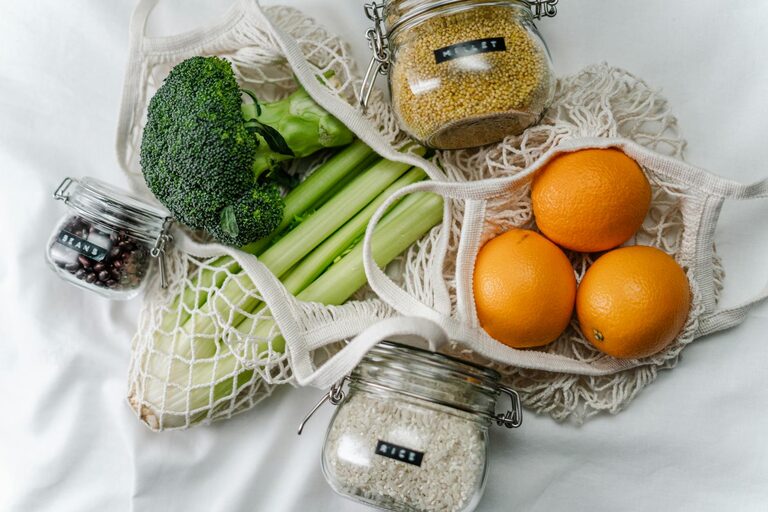
Reducing food waste at home is not only good for your budget, but it also positively impacts the environment. Every year, tons of perfectly edible food end up in the trash, contributing to greenhouse gas emissions and wasting valuable resources. Fortunately, there are many easy and practical steps you can take to cut down on food waste. This blog post will guide you through effective ways to make the most out of your groceries and minimize what gets wasted.
Why Reducing Food Waste Matters
Before diving into tips, it’s helpful to understand why reducing food waste is important:
– Environmental impact: Food waste generates methane, a potent greenhouse gas, when it decomposes in landfills.
– Resource conservation: Growing, processing, and transporting food uses water, energy, and labor. Wasting food means wasting these resources too.
– Economic savings: Throwing away food is like throwing away money. Reducing waste saves you from buying more food than you actually need.
With awareness of these points, here are practical steps you can start applying today.
Smart Grocery Shopping
Plan Your Meals
One of the biggest causes of food waste is buying more than you need. Planning meals ahead helps you create precise shopping lists.
– Check your fridge and pantry before shopping to avoid duplicates.
– Plan meals for the week, including breakfast, lunch, and dinner.
– Consider recipes that use similar ingredients to avoid leftovers going unused.
Shop with a List and Stick to It
Impulse buys can lead to food going bad before you get to it.
– Write down what you need based on your meal plan.
– Avoid shopping when hungry, to reduce temptation to buy unnecessary items.
Buy Only What You Can Use
While bulk shopping saves money, don’t buy in excess unless you’re sure you can use or freeze items.
Proper Storage Techniques
Understand Food Shelf Life
Different foods require different storage to stay fresh.
– Store fruits and vegetables separately; some fruits emit ethylene gas that can spoil veggies.
– Keep perishable items like dairy and meats at the right refrigerator temperature (below 40°F or 4°C).
– Use airtight containers to prolong freshness.
Use Clear Containers
Keeping food visible helps you remember what you have and use it before it spoils.
Label and Date Leftovers
Marking leftovers with the date stored helps you monitor freshness and prioritize eating them sooner.
Meal Prep and Portion Control
Cook Appropriate Portions
Avoid making more food than your household can eat in one sitting.
– Use measuring tools or simple portion sizes tailored to your family.
– If you have leftovers, refrigerate or freeze them promptly.
Repurpose Leftovers
Get creative with meals by transforming leftovers into new dishes.
– Use cooked vegetables in soups or stir-fries.
– Turn stale bread into croutons or breadcrumbs.
– Incorporate leftover meats into salads or sandwiches.
Use the Whole Food
Don’t Toss Edible Parts
Many parts of fruits and vegetables are edible but often discarded.
– Use broccoli stems, carrot tops, and beet greens in cooking.
– Save citrus peels for zest or homemade cleaning products.
– Save bones and vegetable scraps for homemade broth.
Freeze Excess Food
Freezing extends shelf life and prevents spoilage.
– Freeze bread, meat, or cooked meals you can’t consume immediately.
– Portion food before freezing for easy thawing and reducing waste.
Monitor and Manage Food at Home
Regularly Check Your Fridge and Pantry
Make it a habit to go through your food stores weekly.
– Use the “first in, first out” rule to consume older items before newer ones.
– Keep an inventory to avoid duplicate purchases.
Compost Food Scraps
While composting doesn’t reduce the initial waste, it helps recycle organic matter back into soil instead of landfill.
– Collect peelings, coffee grounds, and other scraps in a compost bin.
– Many communities offer compost pickup services if you don’t have space.
Involve Everyone in Your Household
Educate all family members about food waste and encourage responsible habits.
– Make mealtime into teachable moments about portions and leftovers.
– Share food waste statistics to motivate better habits.
Summary
Reducing food waste at home is achievable through smart shopping, proper storage, mindful cooking, and creative reuse of leftovers. These efforts not only help the environment but also save money and resources. Start with small changes and build habits that can make a big difference over time.
By being more intentional about how you purchase, store, and consume food, you contribute to a more sustainable lifestyle that benefits both your household and the planet. Happy eating—and wasting less!