
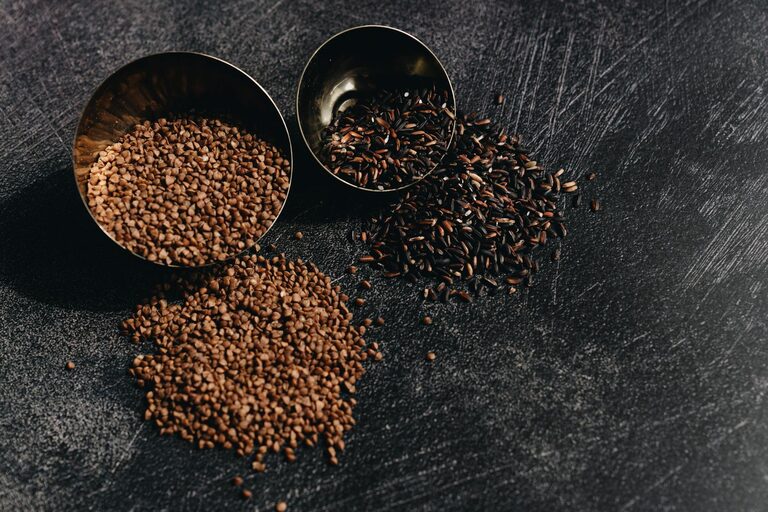
Planning meals around pantry staples is a game-changer for busy households and anyone looking to streamline their cooking routine. With a well-stocked pantry and a little bit of planning, you can create a variety of delicious meals without frequent trips to the grocery store. In this post, we’ll guide you through how to make the most of your pantry staples to plan satisfying meals that fit your lifestyle.
Why Plan Meals from Pantry Staples?
Using pantry staples as the foundation for meal planning offers several benefits:
– Saves time: No need to make last-minute shopping runs.
– Saves money: Use what you already have and reduce food waste.
– Encourages creativity: Mix and match staples in new ways.
– Reduces stress: Having a plan in place makes mealtime easier.
Step 1: Take Inventory of Your Pantry Staples
Start by knowing exactly what you have. This includes:
– Grains: Rice, pasta, quinoa, oats, barley.
– Canned goods: Beans, tomatoes, vegetables, broth, tuna.
– Dry goods: Lentils, flour, sugar, nuts, seeds.
– Condiments and spices: Oils, vinegar, soy sauce, salt, pepper, herbs, spices.
– Shelf-stable dairy alternatives: Powdered milk, canned coconut milk.
Create a list or spreadsheet to keep track of quantities and expiration dates.
Step 2: Identify Your Meal Categories
Organize your meal planning around basic templates using pantry items as a base. Examples include:
– Grain bowls: Combine cooked grains with beans, canned veggies, and dressings.
– Soups and stews: Use broth, canned tomatoes, lentils, and spices.
– Pasta dishes: Mix pasta with tomato sauce, canned tuna, or sautéed canned vegetables.
– Stir-fries: Use rice or noodles with oil, soy sauce, and canned or frozen vegetables.
– Snacks and sides: Utilize nuts, seeds, crackers, or roasted chickpeas.
Step 3: Plan Balanced Meals
Aim for meals with a good balance of carbohydrates, protein, and fats. For example:
– Protein: Beans, lentils, canned tuna, nuts.
– Carbs: Rice, pasta, oats, potatoes.
– Fats: Olive oil, nuts, seeds.
Include vegetables where possible, even if canned or frozen, to add nutrients and fiber.
Step 4: Choose Recipes Based on Pantry Staples
Here are some recipe ideas using common pantry ingredients:
1. Chickpea and Tomato Stew
– Chickpeas (canned or dried)
– Canned diced tomatoes
– Onion or onion powder
– Garlic powder
– Olive oil
– Spices: cumin, paprika, salt, pepper
Simmer beans and tomatoes with spices for a quick stew. Serve over rice or with bread.
2. Tuna Pasta Salad
– Pasta
– Canned tuna
– Olive oil or mayonnaise
– Canned peas or corn
– Lemon juice or vinegar
– Salt and pepper
Cook pasta, drain, mix with tuna and veggies, dress with oil or mayo, and season.
3. Lentil Soup
– Lentils
– Broth or water with bouillon
– Canned carrots or mixed vegetables
– Onion and garlic powder
– Bay leaf and thyme
Simmer all ingredients until lentils are tender. Adjust seasonings to taste.
4. Rice and Beans Bowl
– Cooked rice
– Black beans or kidney beans (canned)
– Salsa or canned tomatoes
– Corn
– Spices: chili powder, cumin
Heat beans with spices, serve over rice with salsa and corn.
Step 5: Use a Weekly Meal Plan Template
To stay organized, create a simple meal plan for the week. Write down breakfast, lunch, and dinner ideas based on what you have. For example:
| Day | Meal | Recipe Idea |
|———–|————–|—————————–|
| Monday | Dinner | Chickpea and Tomato Stew |
| Tuesday | Lunch | Tuna Pasta Salad |
| Wednesday | Dinner | Lentil Soup |
| Thursday | Lunch | Rice and Beans Bowl |
This template helps keep track of meals and avoid last-minute decisions.
Step 6: Shop Smart for Fresh Additions
While focusing on pantry staples, you can supplement meals with fresh or frozen veggies, fruits, or proteins. Keep these items flexible based on availability and budget.
Tips to Keep Your Pantry Efficient
– Label shelves or containers for easy access.
– Rotate staples, using the oldest items first.
– Restock only what you use regularly.
– Store items properly to extend shelf life — keep grains in airtight containers, for example.
– Freeze leftovers for future meals.
Final Thoughts
Planning meals from pantry staples is a practical way to cut down on food waste, save money, and reduce stress around mealtime. With a little preparation and creativity, you can enjoy diverse and delicious meals using mostly what you already have on hand. Start by knowing your pantry, mix and match ingredients, and use simple recipes to build your weekly meal plan.
Happy cooking!