
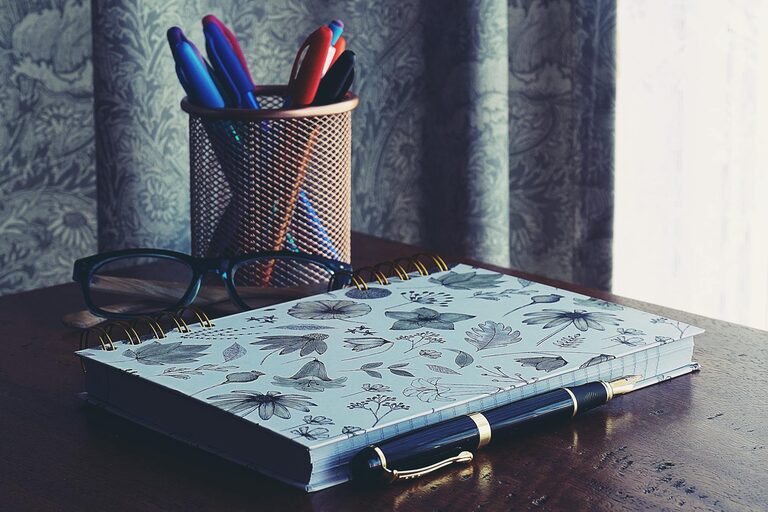
Choosing the right notebook can make a big difference in how often and how effectively you use it. Whether you jot down ideas, plan your days, or sketch, the perfect notebook should inspire you to pick it up regularly. But with so many options available, how do you find one you’ll actually use? This guide will help you make an informed choice tailored to your habits and preferences.
Understand Your Purpose
Before shopping, think about what you’ll use the notebook for. Different uses call for different types of notebooks.
– Journaling or personal reflections: You may want a notebook with a soft cover and creamy, smooth paper for comfort and longevity.
– Work or school notes: Look for durable notebooks with sturdier pages or organizational features like numbered pages or index tabs.
– Sketching or creative work: Consider notebooks with thicker, unlined pages suitable for drawing and mixed media.
– Planning and productivity: Notebooks with grids or dot grids are great for bullet journaling or creating layouts.
Identifying your main use will narrow down the style and format.
Choose the Right Size
Notebooks come in various sizes, and each has its pros and cons:
– Pocket-sized (A6 or smaller): Extremely portable and convenient for quick notes on the go, but limited writing space.
– Medium-sized (A5): A popular size that balances portability with enough room to write comfortably.
– Large size (A4 or letter): Offers plenty of space for detailed notes or sketches but can be bulky to carry around.
Think about where you will use your notebook most often — at a desk, in meetings, or while traveling — to decide which size works best.
Decide on the Binding Type
The binding affects how easy your notebook is to use and store.
– Spiral binding: Allows the notebook to lay flat or fold back completely, making writing easier. Spirals can get bent or snagged over time.
– Sewn binding: More durable and allows the notebook to open flat but doesn’t fold back completely.
– Perfect binding (like paperback): Sleek and compact but may not lay flat, which can affect writing comfort.
– Hardcover: Offers protection and lasts longer but adds weight.
Choose a binding that’s practical for how and where you will write.
Pick Your Preferred Paper Type
Paper quality is crucial, especially if you use fountain pens, markers, or want to avoid ink bleed-through.
– Paper weight: Measured in grams per square meter (gsm). Heavier paper (80gsm and above) is thicker, less prone to bleed-through, and generally preferred.
– Texture: Smooth paper works well for ballpoint pens and fine liners, while some prefer textured (toothy) paper for pencil and certain pens.
– Color: White, off-white, or cream paper affects readability and eye comfort. Cream is easier on the eyes and often used in journals.
Try sample pages if possible to test your preferred pen on the paper before buying.
Consider the Page Layout
The layout can influence how you organize your notes:
– Ruled/lined: Most common and ideal for writing.
– Grid/squared: Helpful for diagrams, charts, and bullet journaling.
– Dot grid: Offers subtle guidance without being overwhelming, popular for flexible layouts.
– Blank: Great for freeform sketches and creativity.
Think about how structured or freeform you want your notes to be.
Look for Extra Features That Suit Your Needs
Some notebooks include useful extras that might make a difference:
– Page numbers and index pages: Help keep your notes organized.
– Bookmarks or ribbons: Allow quick access to important pages.
– Pockets inside covers: Useful for storing loose papers or receipts.
– Elastic closure bands: Keep your notebook securely closed when not in use.
– Perforated pages: For easy removal of notes.
Evaluate which features will genuinely help rather than just adding bulk or cost.
Set a Budget
Notebooks vary widely in price, from very affordable to premium luxury options.
– Think about how often you’ll use your notebook and whether investing in high-quality materials will enhance your experience.
– If you use notebooks daily or for important tasks, a durable, pleasant-to-use notebook may be worth a higher price.
– For casual or occasional use, something more economical may be sufficient.
Balance cost with quality and functionality.
Tips to Encourage Regular Use
Finding the right notebook is only part of the process — cultivating a habit of using it helps you get the most out of your purchase.
– Keep your notebook in a convenient place.
– Carry it with you, so capturing ideas becomes effortless.
– Personalize it to make it fun — decorate with stickers, write your name, or add tabs.
– Set small goals: Write one entry a day or use it to plan your week.
– Use colored pens or markers to make note-taking engaging.
The more you enjoy your notebook, the more you’ll use it.
Summary Checklist: Choosing a Notebook You’ll Use
– Define what you will use it for.
– Pick a size that matches your lifestyle.
– Choose a binding based on durability and ease of use.
– Select paper quality and type suited to your writing tools.
– Decide on the page layout that fits your note-taking style.
– Consider extra features that support your needs.
– Balance quality and budget.
– Build habits that encourage frequent use.
By following these guidelines, you’ll find a notebook that fits seamlessly into your daily routine and helps you stay organized, creative, or reflective — whatever your goal may be. Happy writing!