
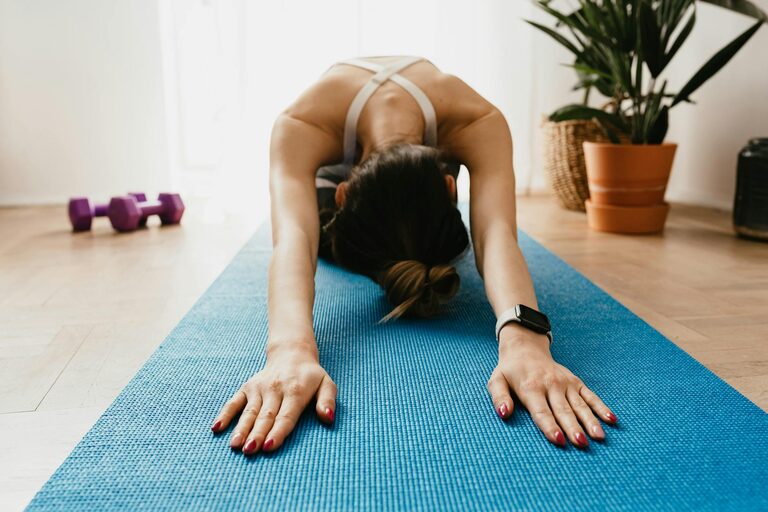
Stretching is a simple yet powerful way to improve your physical health, enhance mobility, and reduce muscle tension. You don’t need a gym or fancy equipment—just a little space at home and a few minutes each day. Whether you’re new to exercise or looking to add stretching to your routine, this beginner’s guide will walk you through the basics and share tips to get you started safely and effectively.
Why Stretching Matters
Stretching helps lengthen muscles and tendons, increasing your range of motion and flexibility. Regular stretching can:
– Improve posture by loosening tight muscles
– Reduce the risk of injury during daily activities or workouts
– Decrease muscle soreness and stiffness
– Enhance blood circulation and relaxation
Getting into the habit of stretching at home is an accessible way to support your body’s natural movement and overall well-being.
When to Stretch
You can stretch at various times, depending on your goals:
– Before exercise: Gentle dynamic stretches prepare your muscles for activity.
– After exercise: Static stretches help cool down muscles and reduce tightness.
– Anytime during the day: Stretching breaks can relieve tension from sitting or inactivity.
For beginners, aim for at least 5–10 minutes a day, gradually increasing time and intensity.
Basic Stretching Guidelines
To make the most of your stretching sessions, keep these tips in mind:
– Warm up first: Stretching cold muscles can lead to injury. Walk or march in place for 3–5 minutes before stretching.
– Move slowly: Avoid bouncing or jerky movements; gently ease into each stretch.
– Hold steady: Hold static stretches for 15–30 seconds without pain.
– Breathe deeply: Inhale and exhale naturally while holding stretches.
– Listen to your body: Stretch to a feeling of slight tension, never sharp or intense pain.
Essential Stretches for Beginners
Here are some simple stretches targeting major muscle groups. Perform each stretch on both sides, where applicable.
1. Neck Stretch
– Sit or stand tall.
– Slowly tilt your head toward your right shoulder until you feel a gentle stretch on the left side of your neck.
– Hold for 20 seconds, then switch sides.
2. Shoulder Stretch
– Bring your right arm across your chest.
– Use your left hand to gently press your right arm closer to your chest.
– Hold for 20–30 seconds, then repeat on the other side.
3. Chest Opener
– Stand with feet hip-width apart.
– Clasp your hands behind your back and straighten your arms.
– Lift your chest while squeezing your shoulder blades together.
– Hold for 20 seconds.
4. Cat-Cow Stretch (Spine Mobility)
– Start on all fours with wrists under shoulders and knees under hips.
– Inhale, arch your back, lifting your head and tailbone (Cow Pose).
– Exhale, round your spine, tucking your chin and pelvis (Cat Pose).
– Repeat 5–8 times, moving slowly.
5. Seated Forward Fold (Hamstrings)
– Sit on the floor with legs extended straight.
– Inhale, lengthen your spine.
– Exhale, gently reach for your toes or shins.
– Keep your back straight; avoid forcing the stretch.
– Hold for 20–30 seconds.
6. Butterfly Stretch (Inner Thighs)
– Sit with the soles of your feet together, knees bent outward.
– Hold your feet with your hands.
– Gently press your knees toward the floor using your elbows.
– Hold for 20–30 seconds.
7. Standing Quadriceps Stretch
– Stand tall and hold onto a wall or chair for balance.
– Bend your right knee and bring your heel toward your buttocks.
– Grab your ankle with your right hand.
– Keep your knees close together and push your hips slightly forward.
– Hold for 20–30 seconds, then switch sides.
8. Calf Stretch
– Stand facing a wall with one foot forward and the other foot back.
– Keep back leg straight with heel on the floor.
– Lean forward toward the wall until you feel a stretch in your calf.
– Hold for 20–30 seconds, then switch legs.
Creating a Stretching Routine
Consistency is key when it comes to stretching. Here’s how to build a simple routine:
- **Choose 4 to 6 stretches** that target different areas.
- **Set aside a dedicated time**—morning, evening, or post-workout.
- **Start with 5 minutes**, then gradually increase to 15–20 minutes as you become more comfortable.
- **Keep a journal or use an app** to track progress and stay motivated.
Tips for Success
– Wear comfortable clothing that allows free movement.
– Use a yoga mat or soft surface to protect your joints.
– Keep your environment calm; play gentle music if it helps you relax.
– Hydrate before and after stretching.
– Don’t rush; take your time to enjoy each stretch.
When to Consult a Professional
If you have existing injuries, chronic pain, or medical conditions, it’s a good idea to consult a healthcare provider or physical therapist before starting a new stretching routine. They can tailor stretches to your needs and guide you safely.
Final Thoughts
Stretching at home is a practical and enjoyable way to care for your body, even if you have a busy schedule. By starting with simple moves and sticking to a routine, you’ll notice improvements in flexibility, posture, and comfort. Remember that progress happens gradually—be patient, listen to your body, and celebrate each small step forward.
Give it a try today—you might just find that a few minutes of stretching can brighten your day!