
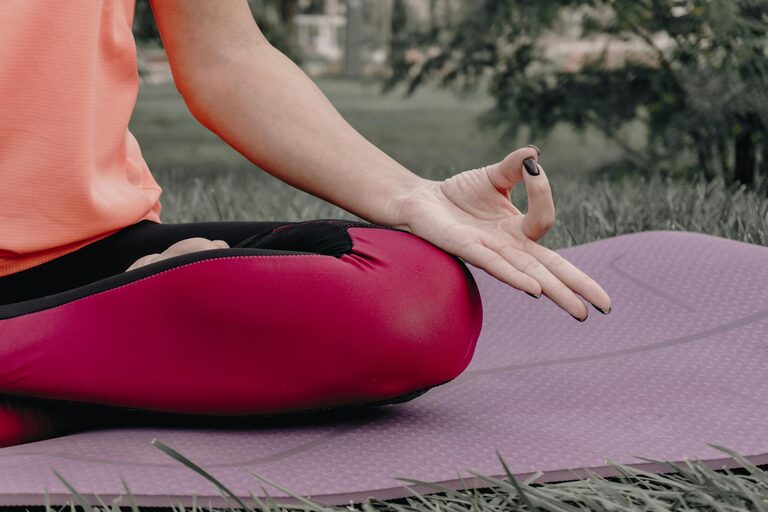
Taking mindful breathing breaks is a simple and powerful way to bring calm and clarity into your daily routine. Whether you’re working at your desk, managing a busy schedule, or just feeling overwhelmed, pausing to focus on your breath can help ease tension and refresh your mind. If you’re new to mindful breathing, this guide will walk you through beginner tips and practical steps to get started.
What Is Mindful Breathing?
Mindful breathing involves paying close attention to your breath — noticing how it flows in and out, without trying to change it. It’s about being present in the moment, observing your breathing as an anchor for your awareness.
Unlike regular deep breathing exercises that focus on taking large breaths, mindful breathing encourages a gentle, natural rhythm. This practice reduces stress, improves concentration, and enhances emotional balance.
Why Take Mindful Breathing Breaks?
Incorporating mindful breathing breaks offers several benefits:
– Reduces stress and anxiety by calming the nervous system.
– Enhances focus and productivity by grounding your attention.
– Improves emotional resilience by helping you respond rather than react.
– Boosts overall well-being by increasing oxygen flow and promoting relaxation.
Just a few minutes can make a noticeable difference in your mood and mindset.
How to Start Mindful Breathing Breaks: Beginner Tips
1. Choose a Comfortable Spot
It’s best to start in a quiet, comfortable place where you won’t be disturbed. This could be your chair, a corner in your office, or even outside in a park. Sitting upright with your feet flat on the ground helps maintain an alert posture, but you can also practice lying down if that feels better.
2. Set a Timer
To prevent feeling rushed or distracted by the clock, set a timer for 2 to 5 minutes when you begin. As you become more comfortable, you can extend the time. Apps on your phone or computer often provide gentle alarm tones to end your session smoothly.
3. Focus on Your Natural Breath
Close your eyes or soften your gaze, then bring your attention to your natural breathing pattern. Notice the sensation of air entering your nostrils, filling your lungs, and then leaving your body. Try not to control or change your breathing; just observe it.
4. Use Counting to Stay Present
If your mind wanders, gently bring it back using counting. For example, count each inhale and exhale cycle up to 5, then start over. This simple technique helps maintain focus and keeps distracting thoughts at bay.
5. Practice Gentle Body Awareness
As you breathe, scan your body briefly for areas of tension. Notice if your shoulders are tight or if your jaw is clenched. With each exhale, imagine releasing that tension. This blend of breath and body awareness deepens relaxation.
6. Avoid Judgment
It’s normal for your thoughts to drift during mindful breathing. When this happens, don’t judge yourself or try to block the thoughts. Simply acknowledge them and return your attention to your breath.
7. Incorporate Breath Breaks into Your Day
You don’t need long sessions to gain benefits. Try:
– Taking a mindful breath before starting a new task.
– Doing a breathing break after a meeting or stressful moment.
– Using mindful breaths while waiting in line or commuting.
Small, frequent pauses can build lasting calm throughout your day.
Sample Mindful Breathing Break You Can Try Right Now
- Find a seated position and close your eyes.
- Take a deep inhale through your nose for a count of four.
- Hold your breath gently for a count of two.
- Exhale slowly through your mouth for a count of six.
- Repeat this cycle 5 times, focusing fully on each breath.
- After finishing, open your eyes and notice how you feel.
This simple exercise takes less than two minutes and can quickly refresh your mind.
Tips to Make Mindful Breathing a Habit
– Schedule it: Add specific times to your calendar as reminders.
– Pair with existing routines: Link mindful breathing with daily activities like brushing your teeth or drinking coffee.
– Use apps or guided audio: These tools can support learning and consistency.
– Be patient and kind to yourself: Like any new habit, mindful breathing gets easier with regular practice.
Common Questions Beginners Ask
Is mindful breathing the same as meditation?
Mindful breathing is often a part of meditation, but you can practice it anytime, even for short moments during your day. Meditation typically involves longer and more focused sessions.
Can mindful breathing help with sleep?
Yes, practicing mindful breathing before bedtime can promote relaxation and improve the ability to fall asleep.
What if I get distracted easily?
Distractions are normal when starting out. Use gentle reminders like counting breaths to bring your focus back. It improves with practice.
Final Thoughts
Mindful breathing breaks are a simple, accessible tool that anyone can use to reduce stress and boost focus. By starting with just a few minutes a day, you’ll gradually build a habit that supports your well-being and resilience. Give yourself permission to pause, breathe, and be present — your mind and body will thank you.
—
Ready to take a mindful breath? Try a short breathing break right now and notice the calm it brings.